
Solar Power and the Environment
Solar power is clean, safe, and ecologically beneficial. Solar panels do not emit pollution, improving the air we breathe, and don't consume water.
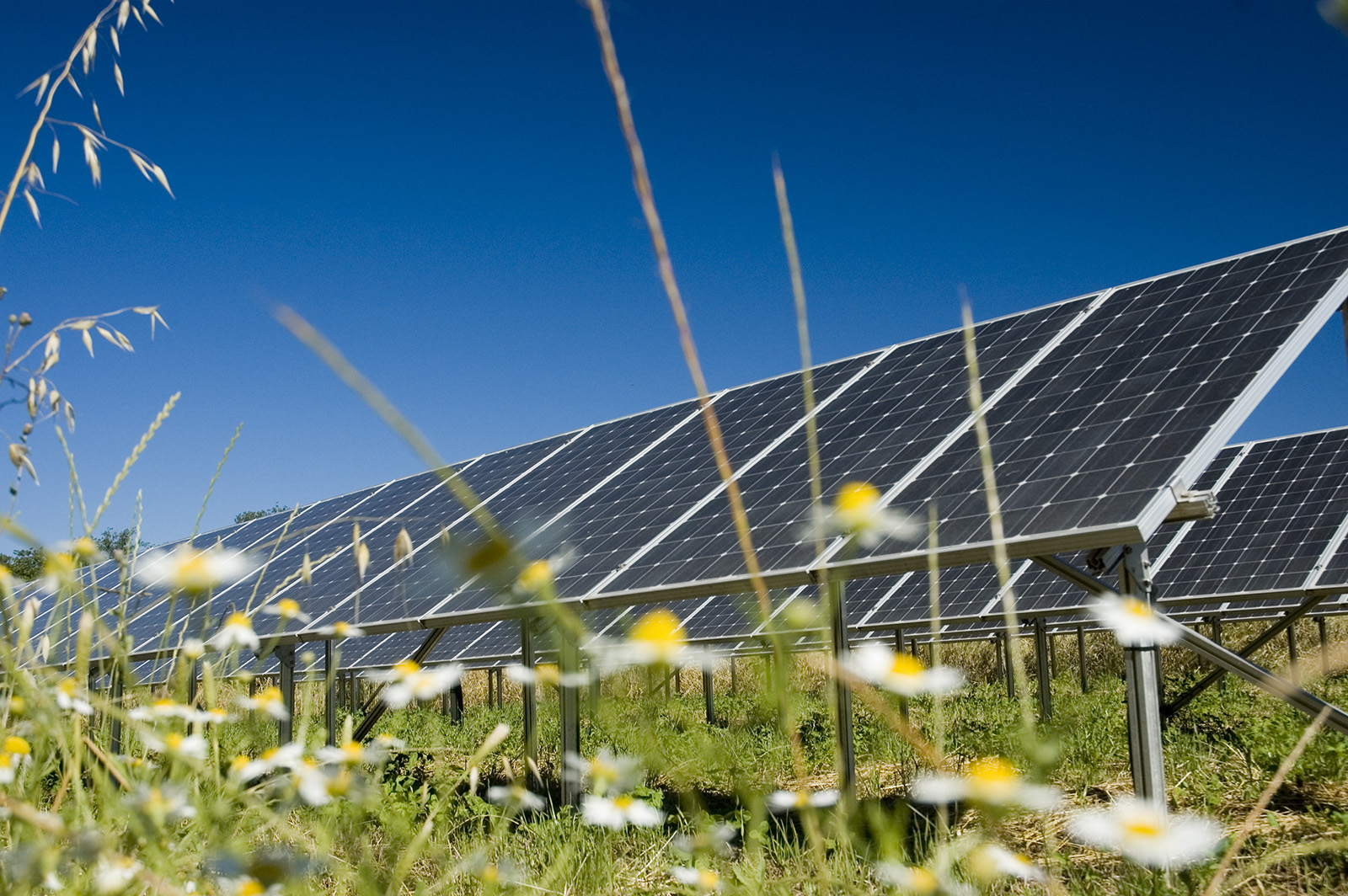
Scientific studies conducted across the world consistently find that transitioning to renewable energy has overwhelmingly positive net benefits for air quality, water resources, climate change, and public health. Solar energy generation produces no carbon pollution, releases no heavy metals or acid gases, and emits no small particles that can cause respiratory problems.1
Solar Energy and Wildlife
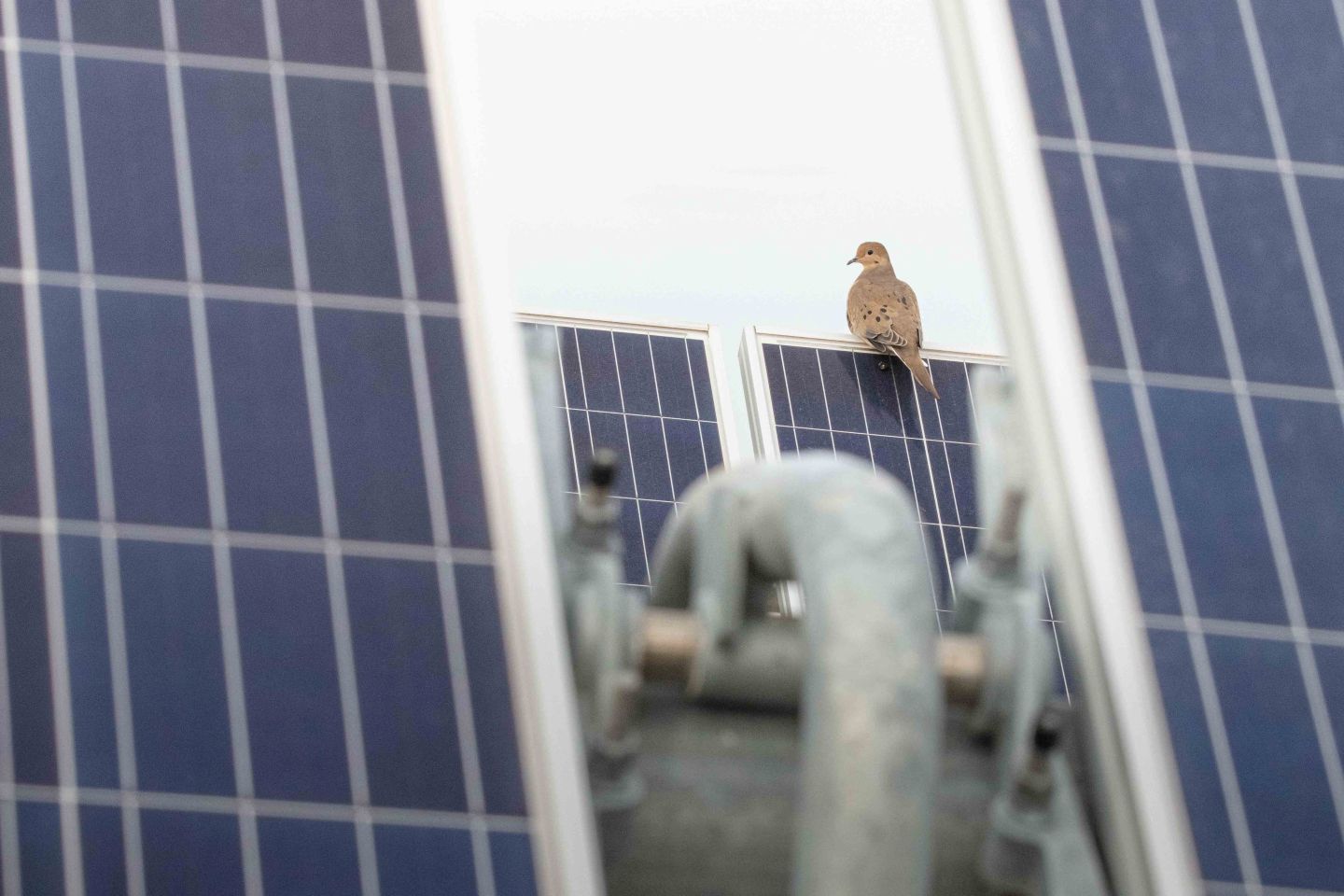
Studies show that in addition to helping displace emissions produced by fossil fuel generation, solar energy facilities can improve biodiversity and benefit wildlife by improving habitat in their immediate vicinity.2 With proper planning, solar farms can improve the environment and enhance local ecological services by naturalizing areas around solar facilities, improving wildlife habitat and water cycling, increasing pollination and erosion control, and even helping threatened species. Solar farms can also help create new habitat, providing pollinator-friendly ecosystems and high-quality hunting and foraging habitat for birds.3
Although solar panels may modify wildlife habitat in the project's immediate footprint, evidence suggests that these changes are balanced by other habitat-based benefits, and there is currently no evidence to support a conclusion that solar farms have an adverse impact on wildlife's use of the land surrounding the project.
Stormwater Management
Properly designed solar projects will maintain—and in some cases reduce and improve—existing agricultural runoff, thanks to permanent ground cover with deeper root systems that increase water retention and organic matter content in previously farmed soils. Stormwater and runoff management is regulated at the federal, state, and local levels. Each state has different methods for regulating how construction projects are permitted with regards to stormwater, but most states require some form of permit to assess and mitigate potential runoff and/or erosion during construction.
These laws exist to ensure that no sediment or excess volume is allowed to flow into nearby waterways due to the new facility and that no excess water is allowed to flow onto neighboring properties.
Construction of these projects does not begin until the required stormwater permits have been approved.
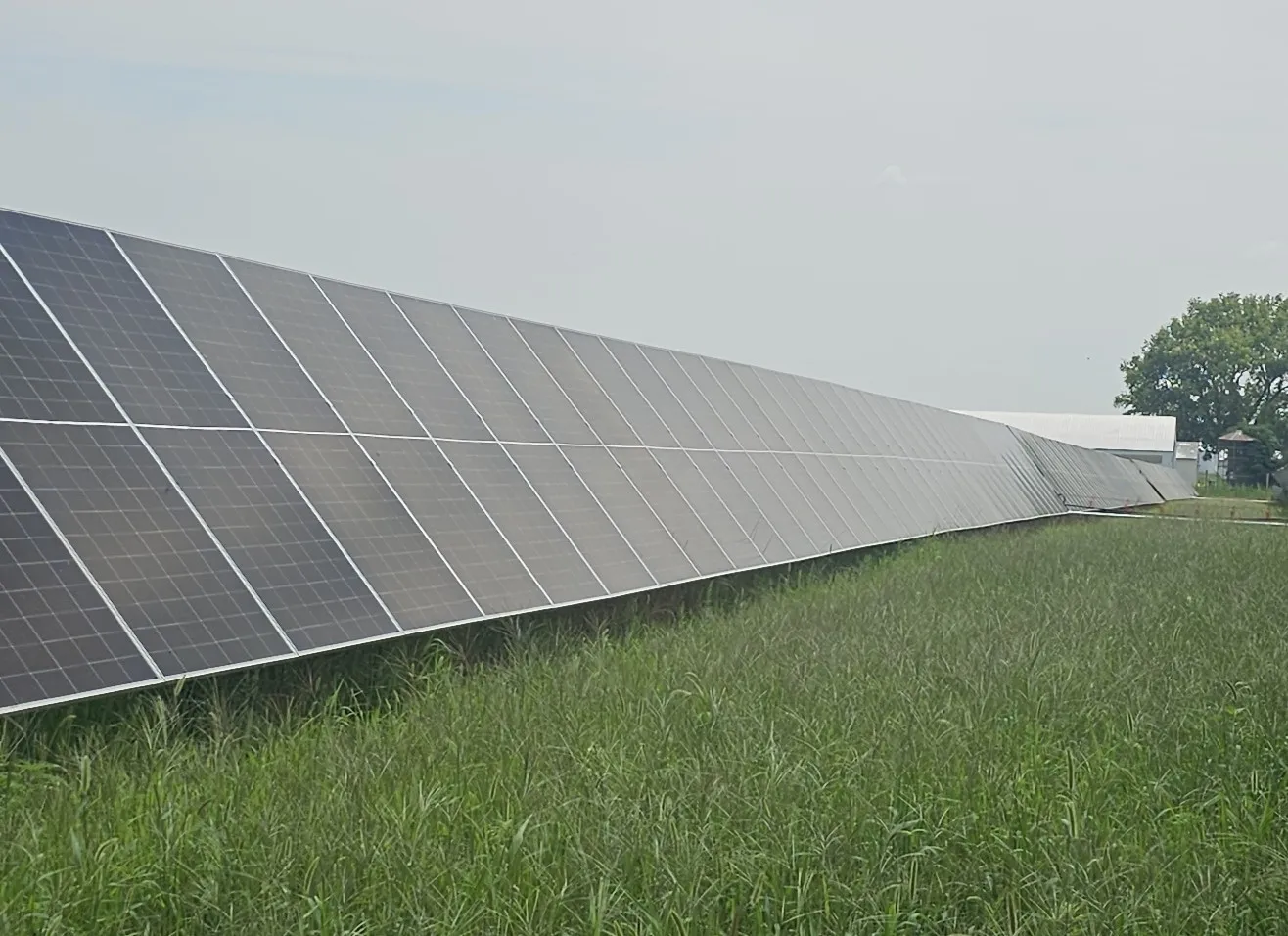
Example of groundcover at an Apex solar site
Solar Panel Durability
Solar panels are durable and are expected to function effectively for up to 40 years.3 This is largely because they have no moving parts and are designed to withstand rain, snow, hail, high winds, and other harsh conditions. A study of over 50,000 solar energy systems found that they are extremely dependable, with less than 0.1% per year underperforming or showing defects.4 Most modern solar panels must obtain a test certificate under the IEC 61215 Standard. During the test, the solar panels are struck with 11 ice pellets, each 1 inch in diameter, at a velocity of 50 miles per hour (tropical storm force winds).
To meet the standard, the solar panel needs to show no visual defects (no cracks or chips in the tempered glass that sits above the solar cells) after the test.
In the event solar panels are damaged in extreme weather, panels can be removed, refurbished or recycled, and replaced.
Recycling and Decommissioning
Although large-scale solar energy is relatively new, solar cell technology is not. The first commercially viable solar cell was unveiled in 1954. More recently, long-term studies of modern solar panels indicate that they perform well over time, with an average degradation rate of approximately 0.5% per year.5 Typically, manufacturer warranties guarantee that solar panels will generate at least 90% of their original capacity after 20 years and 80% after 40 years.
At the end of a solar facility's useful life, estimated to be between 30 and 50 years, panels can be removed and either reused or recycled. Because solar panels can generate as much as 80% of their initial output after 40 years, a significant and growing secondary market exists for used and refurbished solar panels.
Recycling programs are designed to recover 90% or more of the materials used in the panels, much of which is glass (see example diagram of recycling process at right). In fact, the International Renewable Energy Agency projects that the value of recovered materials could exceed $15 billion by 2050 and that the material recovered could be used to remanufacture two billion solar panels.8
Apex's land leases also require compliance with strict decommissioning requirements at the end of each project's useful life. These lease terms dictate that when a project reaches this point, the project will remove all equipment both above ground and to a specified depth below ground, returning the land to its original state at the time the lease was signed and fixing, repairing, or compensating the landowner for any damages that occurred during decommissioning.
Apex Clean Energy uses panels that pass the U.S. Environmental Protection Agency's Toxicity Characteristic Leaching Procedure (TCLP) test, which subjects panels to simulated landfill conditions to ensure that they would not be toxic or leech toxic concentrations of chemicals during operations or if disposed. This testing has found TCLP-compliant panels to be durable, nonhazardous if disposed, and capable of withstanding extreme conditions without leaching.9

Diagram outlining a common solar panel recycling process. Recycling programs are designed to recover 90% or more of the materials used in solar panels, much of which is glass.
